
Science
Intent
At Ruswarp C of E Primary School, we aim to foster a lifelong curiosity and passion for science among our learners. Our intent is to provide a high-quality science curriculum that is accessible, engaging, and challenging for all children. We strive to ensure that every child develops a deep understanding of scientific concepts, processes, and applications, reflecting the aims of the National Curriculum for science.
We aim to:
- Promote Scientific Understanding: Equip children with the knowledge and skills to explore and understand the world around them through practical investigation and research.
- Foster Inquiry and Critical Thinking: Cultivate childrens' abilities to ask questions, make predictions, and analyse results, thereby laying the groundwork for scientific literacy and problem solving skills.
- Encourage Real-World Connections: Connect scientific learning to real-life contexts and contemporary issues, including sustainability and environmental awareness, to make learning
relevant and impactful. Use the local environment and resources to support learning, including the
beach, the moorland and specialists from Danby Moors Centre and the Whitby Lobster Hatchery for example. - Support Diverse Learners: Ensure all children, regardless of their backgrounds or abilities, are
included and supported in their scientific learning journey, promoting equity and diversity within our science education. - Develop Spiritual Awareness: Encourage children to reflect on the wonders of the natural world,
fostering a sense of awe and respect for living things, which contributes to their spiritual development and understanding of their place in the universe. - Promote British Values: Embed the principles of British values, such as respect, tolerance, and
democracy, into our science curriculum by exploring ethical issues in science, the impact of
scientific advancements on society, and the importance of critical thinking in making informed
decisions.
Implementation
To achieve our intent, we employ a carefully structured implementation plan that encompasses curriculum design, teaching methodologies, and assessment strategies:
- Curriculum Design: Our science curriculum is broad, balanced, and progressive, encompassing
the three areas of biology, chemistry, and physics. Each year group builds on prior knowledge,
allowing children to develop deeper conceptual understanding and skill progression. We incorporate cross-curricular links, particularly with mathematics and literacy, to enhance scientific
understanding. - Engaging Pedagogy: We utilise a range of teaching strategies, including inquiry-based learning,
hands-on experiments, and outdoor learning. Science lessons are designed to be interactive and
engaging, allowing children to work collaboratively, think creatively, and communicate their ideas
effectively. Teachers routinely utilise questioning techniques that challenge students to think
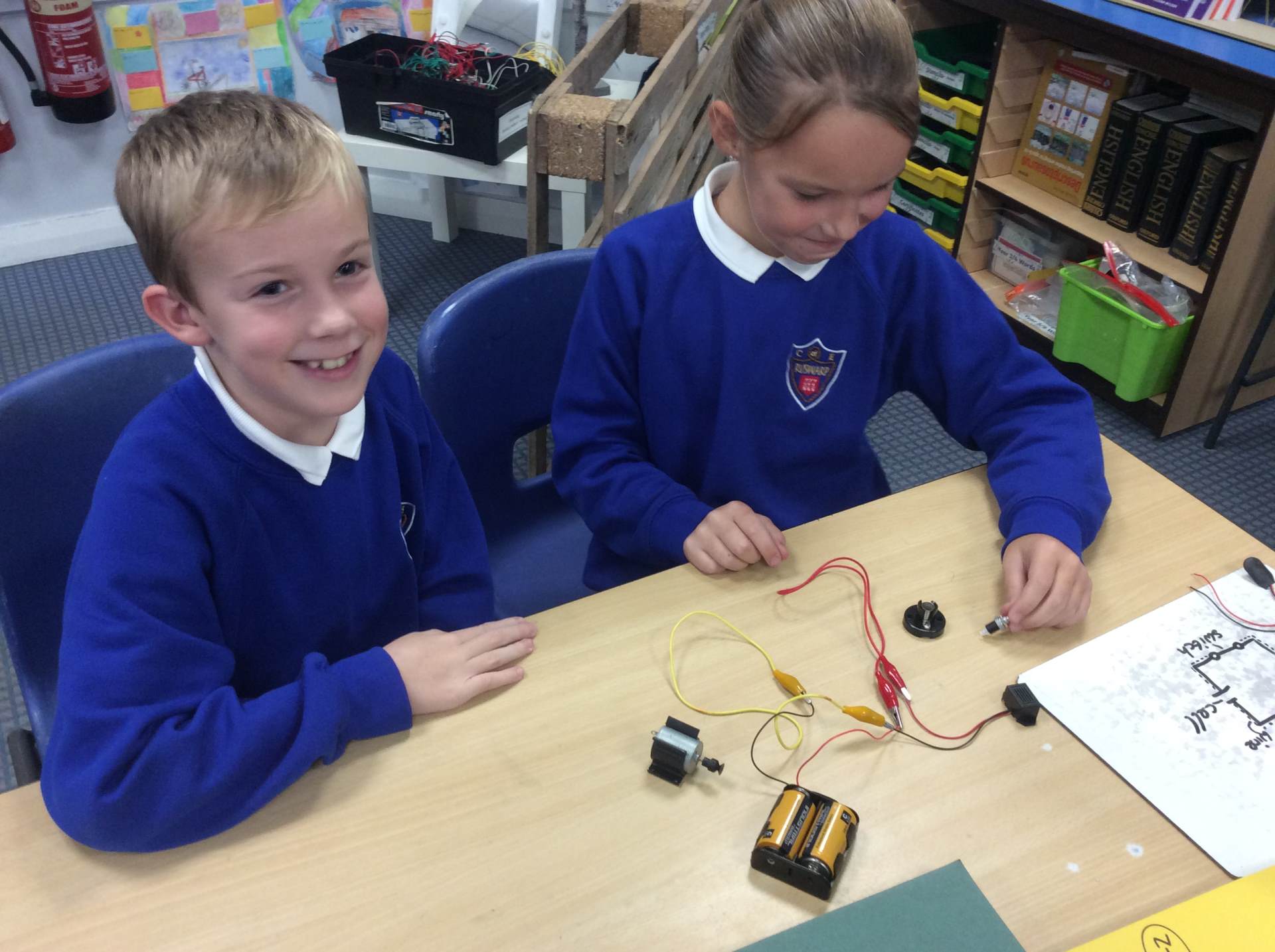
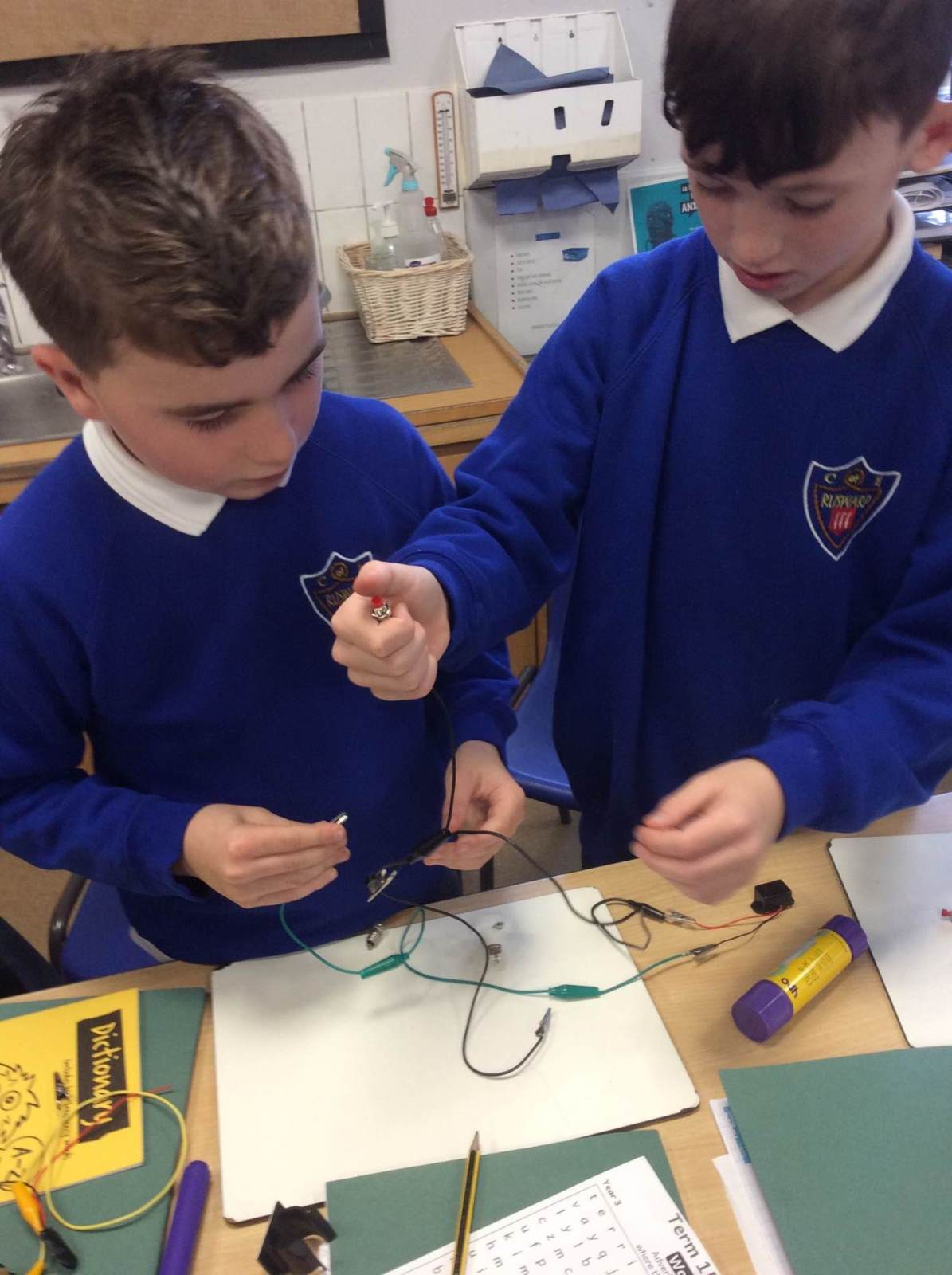
critically and explore their scientific concepts further. - Practical Investigations: Emphasising a hands-on approach, we provide numerous opportunities
for students to engage in scientific investigations, inquiry-led experiments, and field studies. These
activities foster enthusiasm and curiosity, allowing children to explore scientific principles first hand. - Professional Development: Continuous professional development for staff is prioritised to ensure
teachers are well-equipped with the latest pedagogical practices and content knowledge. Staff
regularly attend workshops and collaborate with colleagues to share effective strategies for
delivering outstanding science education. - Assessment and Feedback: We employ formative assessments throughout the learning cycle,
enabling timely feedback and targeted interventions that meet the needs of individual learners.
Summative assessments at the end of units help evaluate children’s understanding and inform
future planning.
Impact
The implementation of our science curriculum has a significant and positive impact on our children, as evidenced by various metrics:
- Student Engagement and Achievement: Our children demonstrate high levels of engagement in
science lessons, reflected in their enthusiasm during practical activities and discussions. Internal
assessments indicate that the majority of children meet or exceed age-related expectations in
science, with many expressing a keen interest in pursuing further studies in the subject. - Development of Skills: Children are increasingly able to articulate scientific concepts confidently
and apply their knowledge to solve problems. Many demonstrate proficiency in key scientific skills,
including observation, experimentation, and critical analysis. - Positive Attitudes towards Science: Surveys and feedback from children highlight a love for
learning science. Many express their desire to pursue scientific careers, showcasing the
effectiveness of our curriculum in inspiring future generations of scientists. - Sustainable Practices: Our initiatives connecting science to real-world issues cultivate
environmental awareness among children, prompting them to consider sustainable practices and
their impact on the world around them. - Spiritual and Ethical Understanding: Children increasingly demonstrate an awareness of the
spiritual and ethical dimensions of scientific inquiry, leading them to reflect on the consequences of scientific advancements in society and the importance of making ethical choices.