
History
History Mapping to National Curriculum
Intent
The intent of our history curriculum is to cultivate a deep understanding and appreciation of the past, fostering a sense of identity and cultural awareness amongst our pupils. We aim to provide an engaging and inspiring curriculum that:
- Embeds Historical Knowledge: Pupils will acquire a comprehensive understanding of British
history, including significant events, influential figures, and cultural developments, while also
exploring diverse global contexts that shape our world. - Develops Critical Thinking: Our curriculum encourages pupils to think critically about historical
events, evaluate sources of information, and form their own reasoned conclusions, fostering
essential skills for future learning and citizenship. - Promotes Inclusivity and Diversity: We aspire to reflect the richness of our multicultural society
and ensure that all pupils see themselves represented in the history they study, promoting respect
for different cultures and perspectives. - Instils a Sense of Curiosity: By inspiring a love for history, we aim to encourage pupils to ask
questions about the past and understand its relevance to their lives, thus nurturing lifelong learners. - Encourages Spiritual Development: Our curriculum provides opportunities for pupils to explore
moral, ethical, and philosophical questions related to historical events, fostering a sense of
spirituality and personal reflection on their own beliefs and values. - Promotes British Values: We embed core British values such as democracy, individual liberty, the
rule of law, and mutual respect into our history lessons, helping pupils understand their importance in both historical and contemporary contexts.
Implementation
The implementation of our history curriculum involves a structured and dynamic approach to knowledge delivery and experiential learning:
- Curriculum Design: Our History curriculum is built upon a progressive scheme that aligns with the
National Curriculum, ensuring all key concepts are covered through a chronological approach,
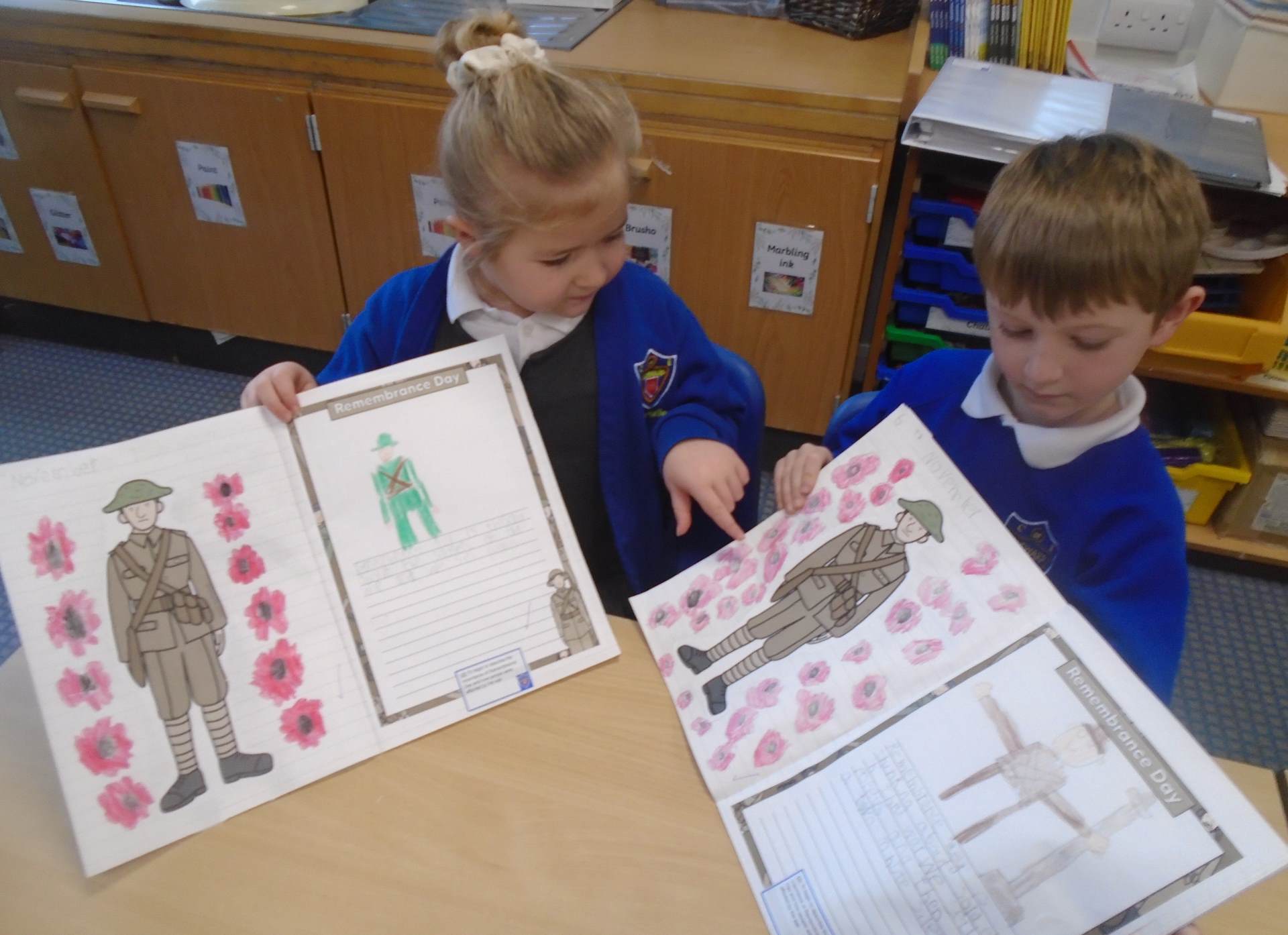
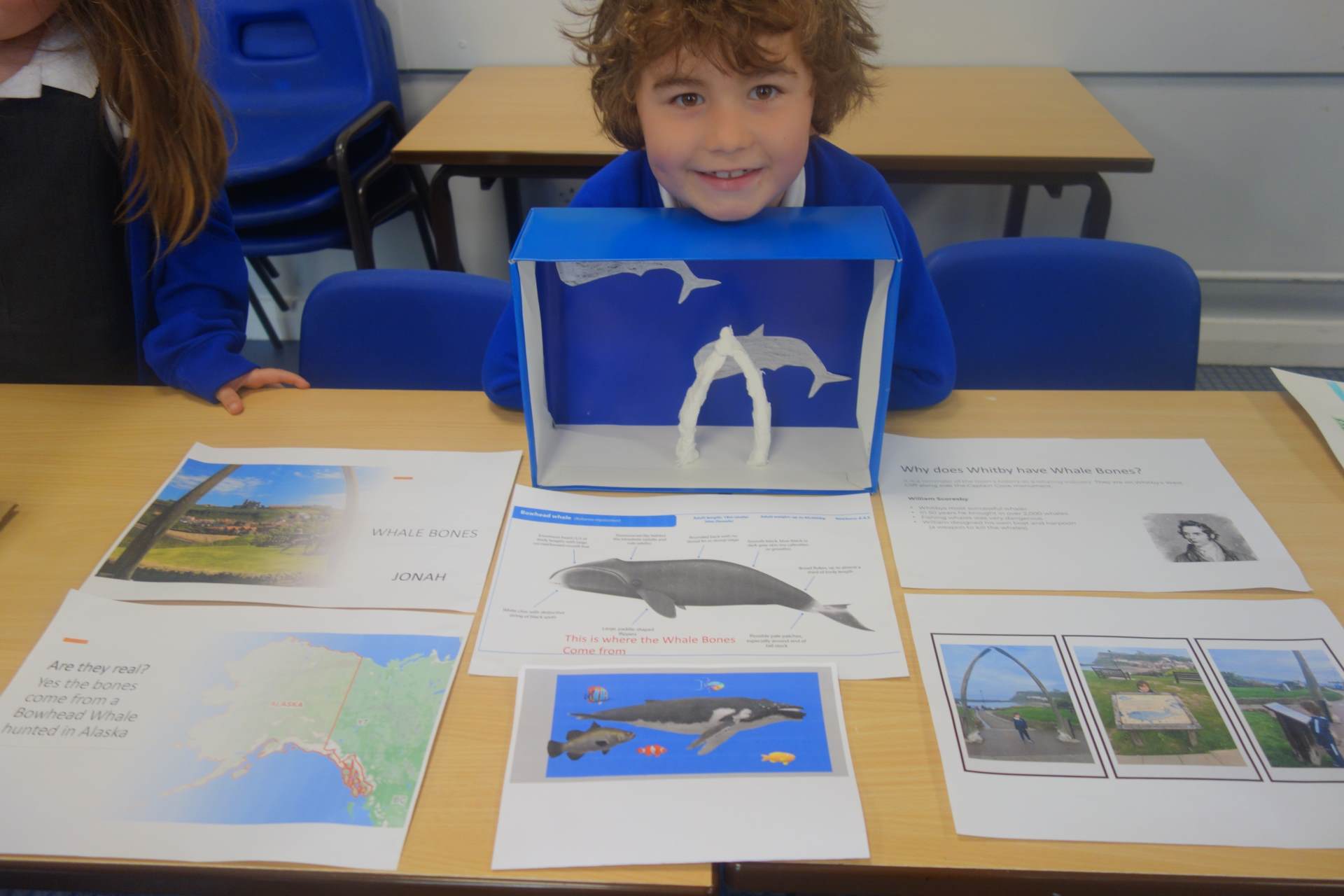
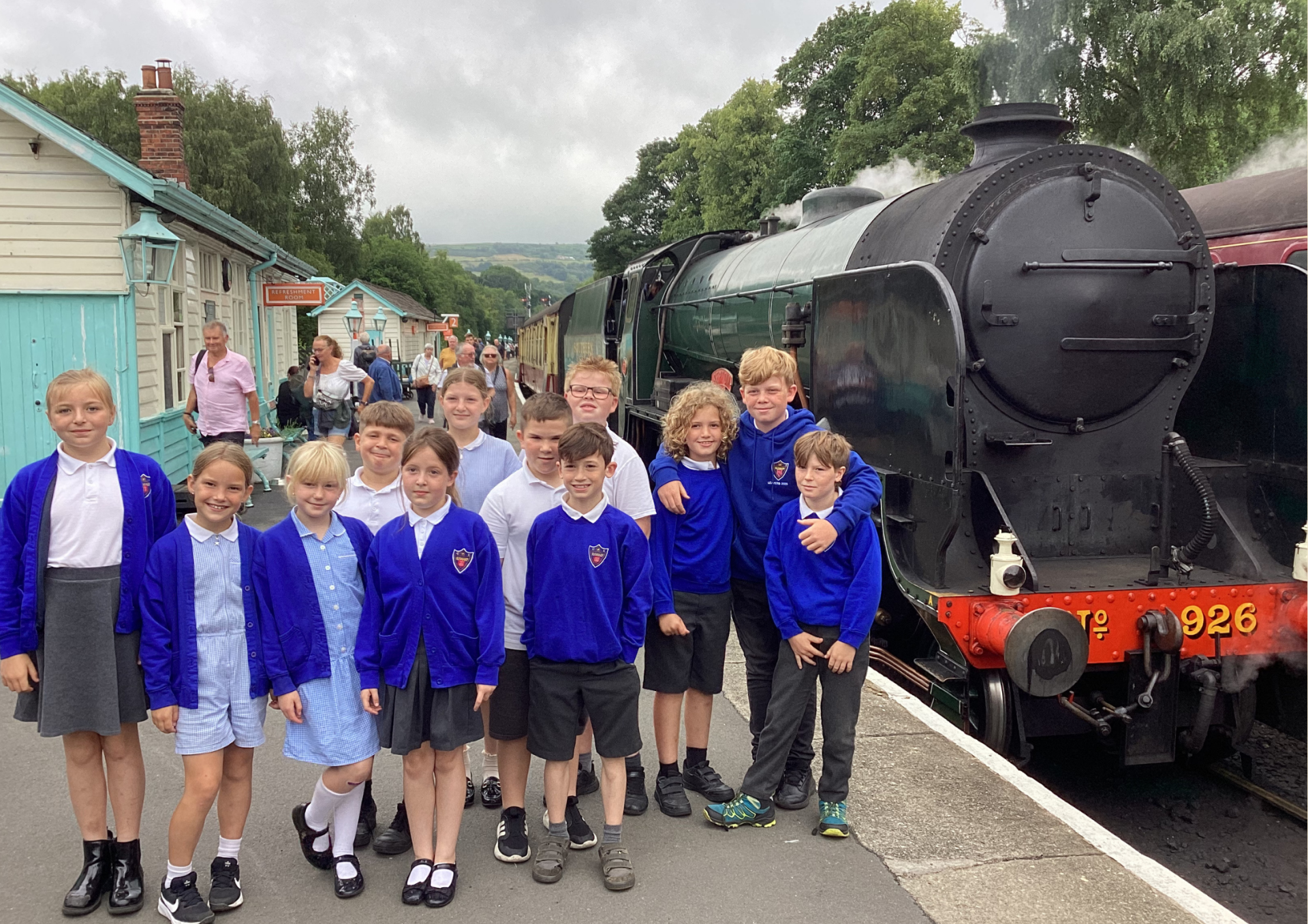
connecting different periods and societies. - Active Learning Strategies: We employ a variety of teaching methods, including hands-on
activities, role-play, and debates, to promote engagement. Field trips to historical sites and
museums enhance the learning experience, allowing pupils to connect with history in a tangible
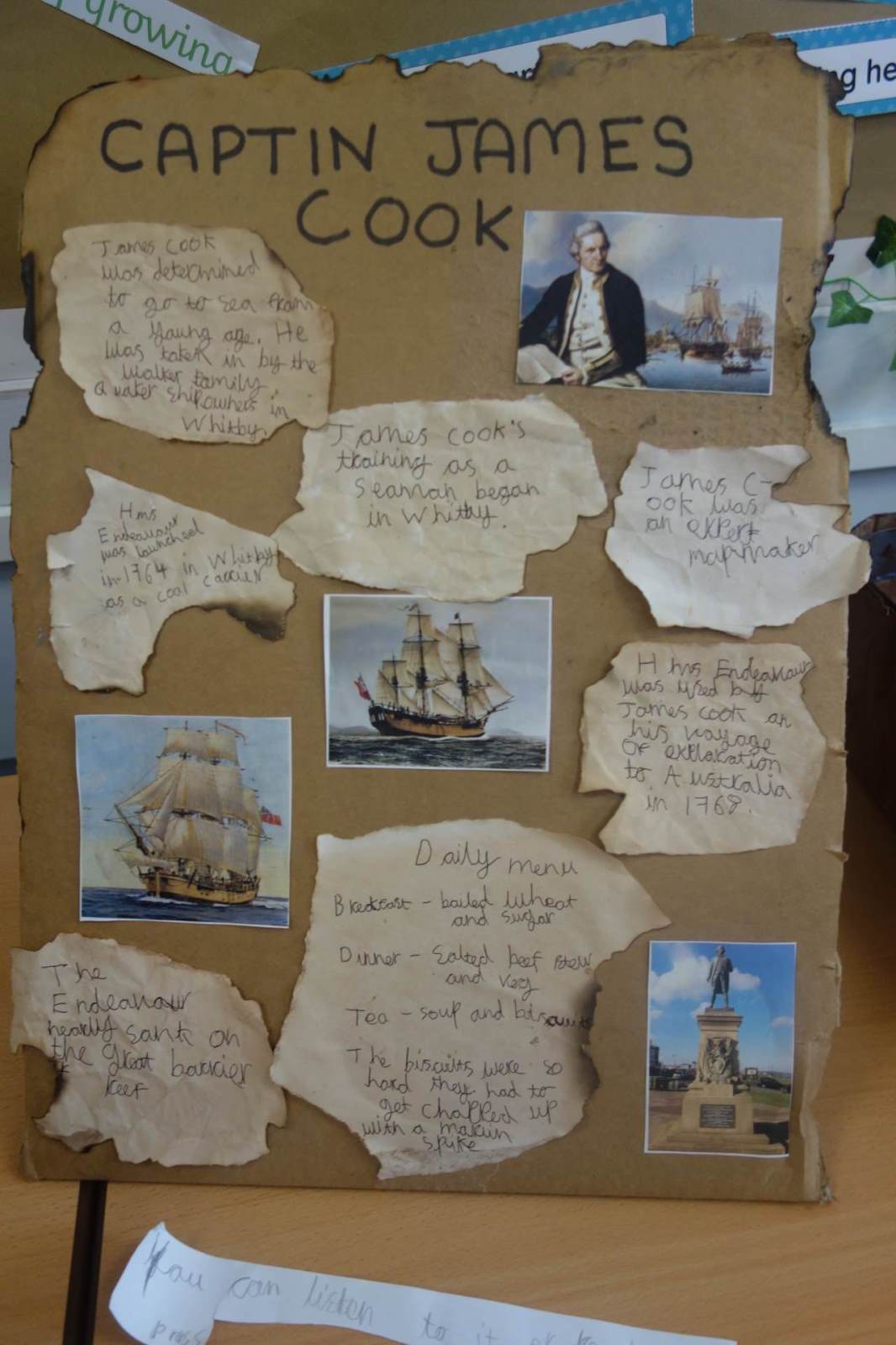
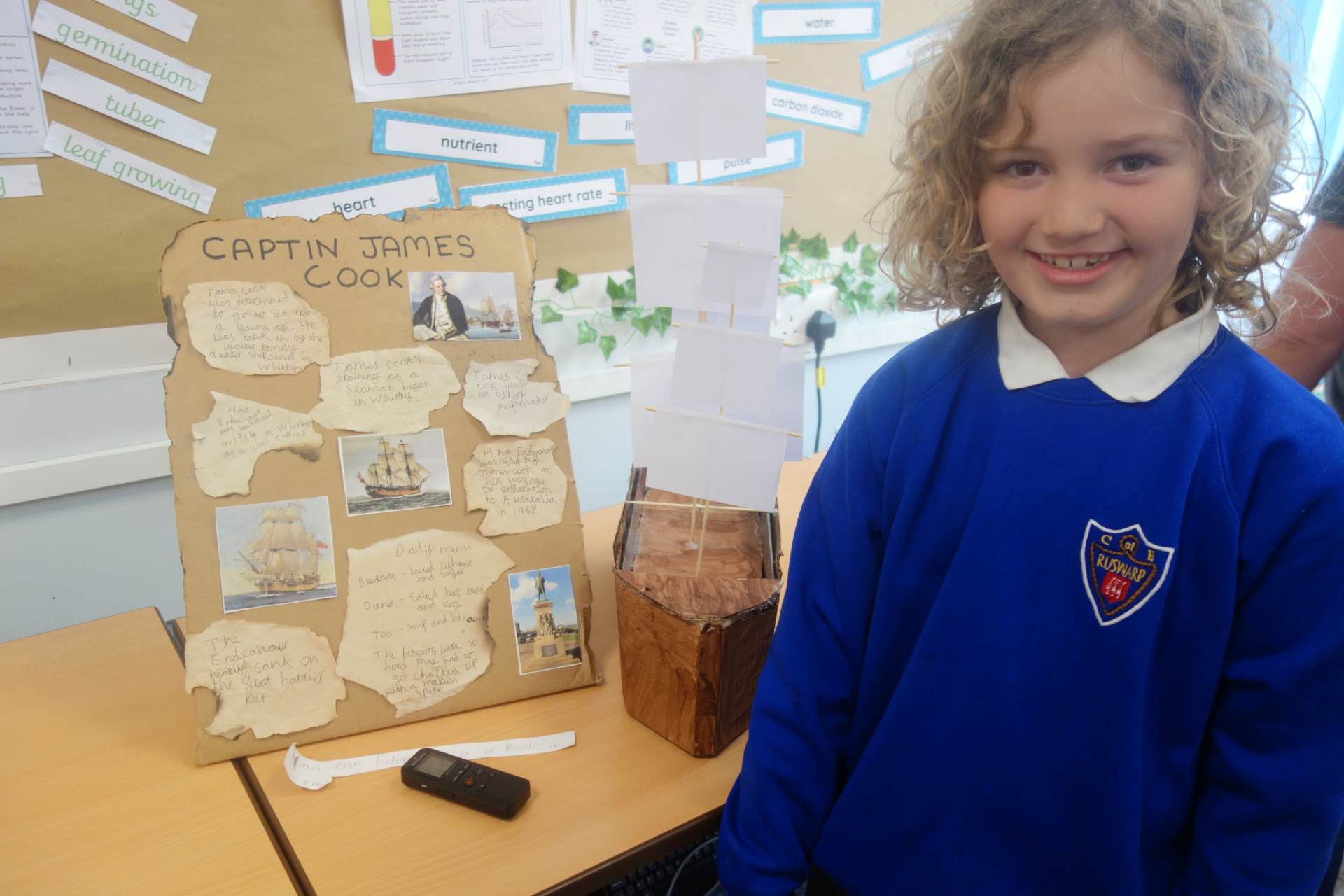
way. These include the local area of Whitby, which is steeped in history, but further afield including
Beamish, Eden Camp and Pickering Castle. - Cross-Curricular Links: History is interwoven with other subjects such as geography, art, and
literature, providing a holistic learning experience. This integration helps pupils to make connections across subjects, deepening their understanding of historical contexts. - Assessment and Feedback: Regular formative assessments are conducted to gauge pupils’
understanding, with constructive feedback provided to inform their next steps in learning. End of unit quizzes provided opportunities for children to recall key learning. These are used to the inform
summative assessments that are recorded on Insight. - Professional Development: Staff receive ongoing professional development opportunities to stay
abreast of current best practices in history education. This investment ensures that teachers are
equipped to deliver high-quality lessons that inspire and challenge pupils.
Impact
The impact of our history curriculum is reflected in the knowledge, skills, and attitudes of our pupils:
- Knowledge Acquisition: Pupils demonstrate a secure understanding of key historical facts and
narratives, confidently recalling and applying their knowledge in discussions and assessments. - Skill Development: Pupils exhibit enhanced critical thinking, analytical skills, and an ability to
evaluate sources of information. They can articulate their reasoning and construct well-founded
arguments during group discussions. - Positive Attitudes: Surveys and feedback indicate that pupils enjoy their history lessons and feel
motivated to learn more about the past. They express an appreciation for the diverse cultures and
perspectives represented in their studies. - Cultural Awareness: Pupils show increased empathy and respect for others, understanding the
importance of diverse historical narratives in shaping contemporary society. They are able to make informed connections between past and present, demonstrating an understanding of heritage and identity. - Standardised Achievement: Data shows that pupils are making at least expected progress in
history, with a significant proportion achieving above the national average in assessments,
demonstrating the effectiveness of our curriculum.