Geography
Intent
At Ruswarp C of E Primary School, our geography curriculum is designed to inspire in our pupils a sense of wonder about the world and its diverse landscapes, cultures, and communities. We aim to equip our children with the skills and knowledge necessary to understand their place within the global community, fostering an appreciation for both local and global geography.
Our intent is to provide:
- Curriculum Coherence: A well-structured geographical progression that reinforces knowledge
acquisition, enabling pupils to build on prior learning year-on-year. - Cultural Awareness: Opportunities to explore different cultures, environments, and geographical features, which promotes empathy and global citizenship.
- Critical Thinking: Development of geographical skills such as observation, data analysis, and critical thinking through inquiry-based learning, enabling pupils to ask questions and solve problems.
- Environmental Awareness: Education on sustainability and environmental issues, empowering pupils to become responsible stewards of their environment.
- Spiritual Development: Exploration of the ways in which geography influences spiritual beliefs, practices, and connections to the land. Pupils will reflect on the significance of natural landscapes and the cultural heritage tied to various regions of the world.
- British Values: Promoting the fundamental British values of democracy, the rule of law, individual liberty, mutual respect, and tolerance of those with different faiths and beliefs. We encourage pupils to understand how these values relate to geographical issues and global citizenship.
Implementation
The implementation of our Geography curriculum is guided by the following principles:
- Knowledge-Rich Curriculum: We have designed an engaging and knowledge-rich geography
curriculum that covers the National Curriculum objectives. Each unit is carefully sequenced to
ensure that foundational knowledge is established before introducing more complex concepts.
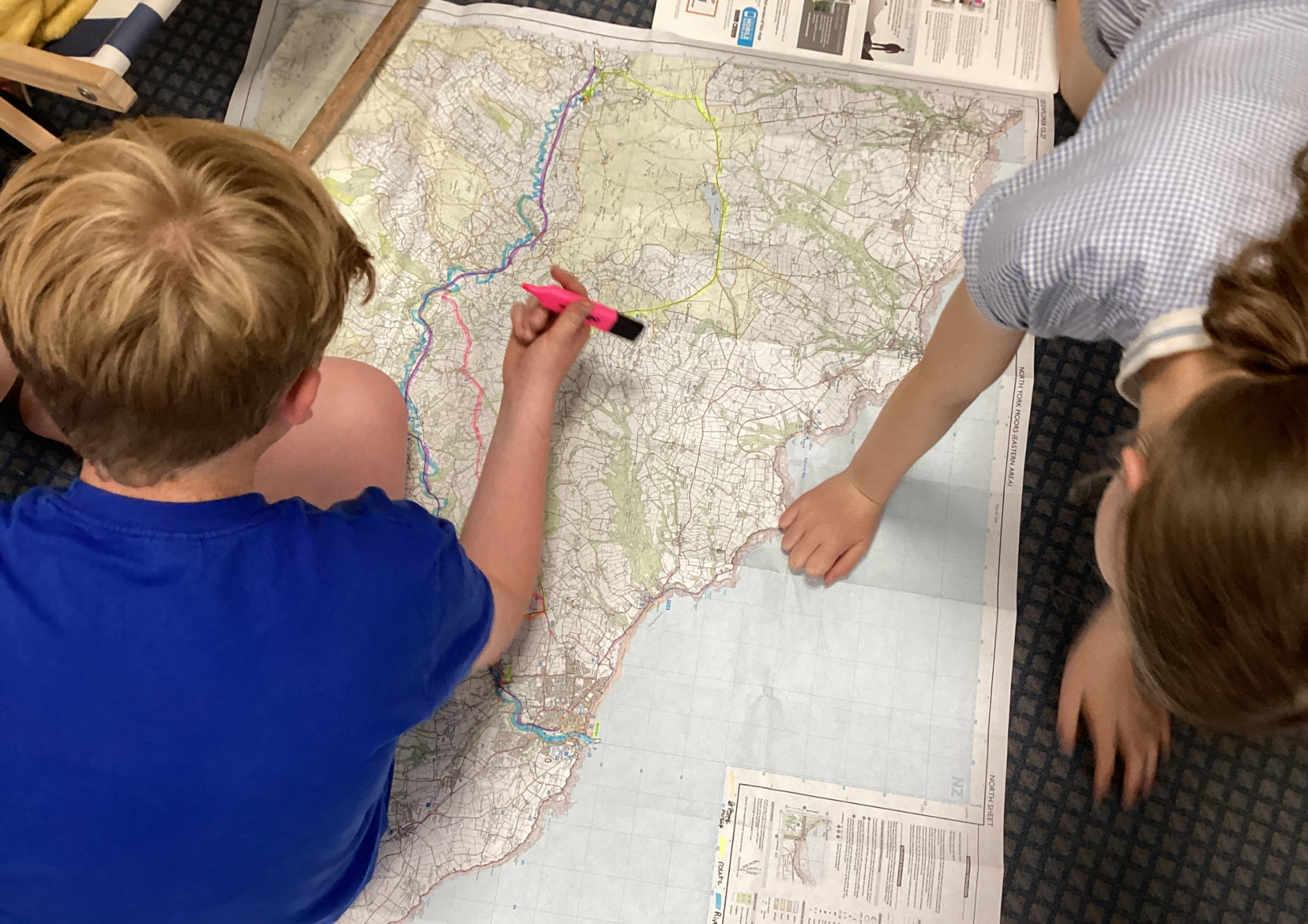
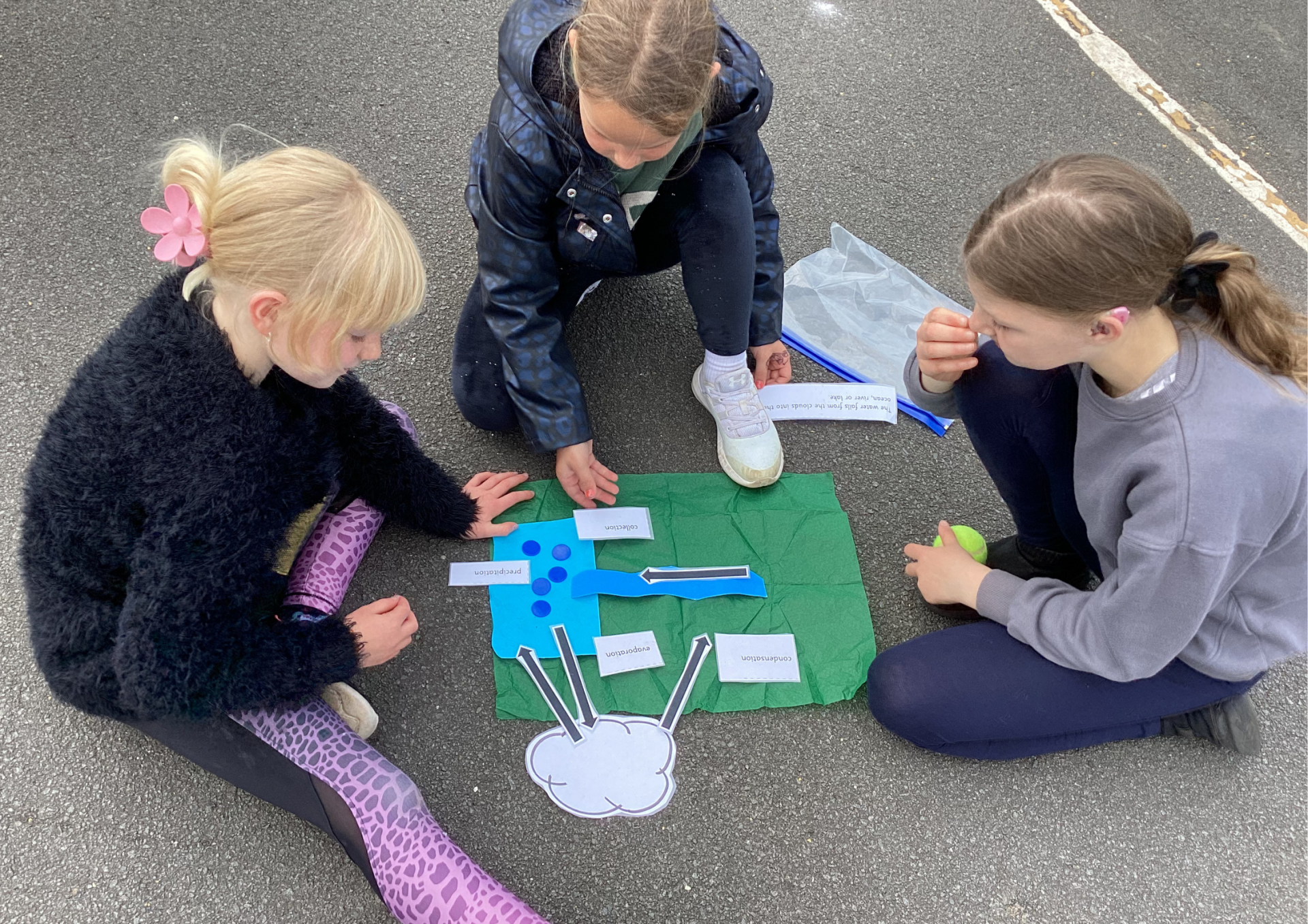
- Active Learning: Geography is taught through a variety of pedagogical approaches, including field trips, outdoor learning opportunities, and hands-on activities. This active approach enhances pupils' engagement and provides real-world contexts for their learning; especially living within the diverse geographical landscape.
- Interdisciplinary Links: We foster connections between geography and other subjects, such as
History, Science, and Art, to provide a holistic understanding of geographical concepts and their
relevance in the real world. - Assessment for Learning: We employ a variety of assessment methods, to monitor progress and inform teaching. Peer and self-assessment opportunities are embedded, promoting ownership of learning.
- Professional Development: Ongoing professional development for staff ensures that teachers are well-equipped with the latest geographical knowledge and pedagogical strategies, fostering a culture of continuous improvement.
Impact
The impact of our Geography curriculum will be evidenced in the following ways:
- Pupil Outcomes: Through regular formative assessments and end-of-unit evaluations, we expect to see a marked increase in pupils' understanding of geographical concepts and their ability to apply this knowledge in different contexts.
- Engagement and Enjoyment: High levels of engagement and enthusiasm for geography will be
evident through pupil voice, participation in class discussions, and the quality of work produced.
This will be reflected in pupil feedback and surveys, indicating that geography is a valued subject. - Community and Global Awareness: Our pupils will leave Ruswarp, with a strong understanding of their local environment, as well as an appreciation for global cultures and challenges. They will be able to discuss issues such as climate change and cultural diversity with confidence.
- Life Skills: Pupils will develop essential skills such as critical thinking, problem-solving, and
collaboration, preparing them for further education and citizenship in an interconnected world. - Spiritual Understanding: Pupils will demonstrate an enhanced awareness of the spiritual
dimensions of geography, including how different cultures view and interact with their environments. They will reflect on personal connections to places and the spiritual significance of natural landscapes.